
Choosing casino games is easier when you begin with the kind of experience you enjoy, rather than chasing a popular title or a possible payout. Some players prefer quick rounds and simple rules, while others like strategy, social interaction, or a slower pace. This guide explains how to compare game formats, set practical limits, and test your preferences responsibly. The aim is to help you find casino games that feel engaging and understandable, while best bitcoin betting sites reflect how different gaming formats can appeal to players browsing digital slots, table games, or live dealer options.

What distinguishes a good casino game match from a poor one
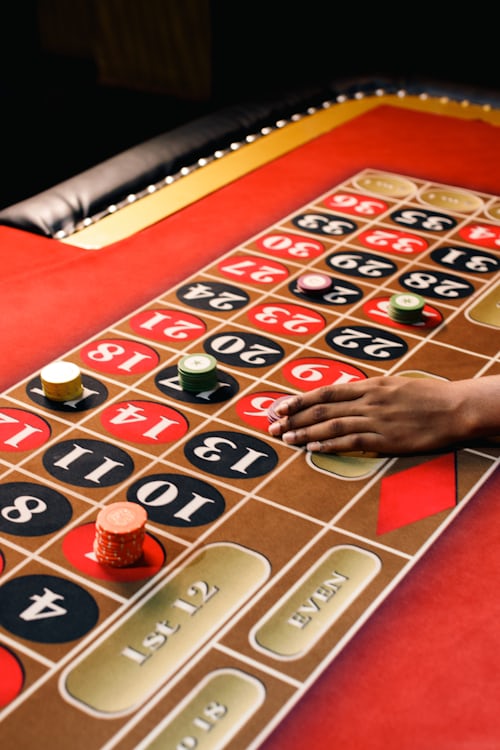
A game is a stronger match when its pace, rules, and level of decision-making suit your preferences. If you enjoy quick outcomes and visual variety, a slot game may appeal to you; if you like making choices based on known rules, blackjack or poker may be more satisfying. Roulette offers a different experience, built around simple wagers and a wheel-based result. None of these formats is automatically better than another. The useful question is whether the gameplay remains enjoyable within your time and spending limits.
It also helps to look beyond a game’s theme or headline features. Check its rules, minimum and maximum stakes, round duration, and any information about return to player, or RTP. RTP is a theoretical measure over a very large number of plays, not a promise about what one person will win. Volatility describes how often and how widely results may vary. Understanding these details can help you choose more thoughtfully, but it cannot remove chance or guarantee a particular outcome.
How to find and try games that suit you
Start with your preferences and practical boundaries, then use the game information provided to narrow the options. You do not need to know every casino format before you begin. Read the instructions, consider a free-play or demonstration mode when available, and take time to understand the stakes before playing for money. These steps are useful for both online and in-person play because they encourage informed decisions instead of impulsive choices.
- Set your limits: Decide how much time and money you can afford to spend, and treat that amount as entertainment spending.
- Choose your pace: Consider whether you prefer rapid rounds, longer sessions, or a game that leaves time to think.
- Pick a format: Compare slots, card games, roulette, and live dealer games by their rules and level of interaction.
- Read the game details: Check the paytable, instructions, stake range, and any available RTP or volatility information.
- Try a low-pressure session: Use a demo option if offered, or begin with the minimum stake and stop at your planned limit.
- Clear spending limits can help keep play within your budget.
- Knowing the rules makes it easier to judge whether a game feels comfortable.
- Trying different formats can reveal what pace and level of choice you prefer.
Practical ways to compare casino game formats
Use concrete details to compare games rather than relying only on graphics, themes, or promotional language. Slots typically involve selecting a stake and starting a round, although features and bonus rounds vary considerably. Blackjack involves decisions such as whether to hit or stand, while roulette centers on selecting a number, group, or color before the wheel spins. Poker may require more attention to rules, opponents, and decision-making. Live dealer games add a human host and a streamed table, which can create a more social atmosphere but may take longer than automated games.
Before choosing, look for a help screen or rules page and check that the stake fits your limits. A lower minimum stake can make it easier to control spending, but it does not change the underlying randomness of a game. If the rules are unclear or the pace feels stressful, choose another option. Avoid treating a near miss, a sequence of losses, or a previous win as evidence that a particular result is due. Each round should be approached on its own terms.
- For quick, simple rounds: Explore straightforward slot games, while reviewing their paytables and feature rules.
- For active decisions: Consider blackjack or poker, and learn the rules before risking money.
- For uncomplicated wagers: Roulette offers several bet types, each with its own payout and odds.
- For a social feel: Live dealer tables provide streamed interaction, subject to table limits and availability.
Comparing these features can make your selection more personal and less dependent on hype. Keep in mind that game rules and stake ranges differ by title and operator, so check the specific information each time. A familiar format may feel more comfortable, but familiarity does not make outcomes predictable. The best fit is one you understand, can afford to play, and can leave when your planned session ends.
Benefits of choosing games around your preferences
Matching a game to your style can make a casino session easier to manage and more enjoyable as entertainment. A format that suits your attention span may feel less confusing, while a suitable pace can help you notice when it is time to pause. Clear rules also make it simpler to understand what each choice does and what a result means. These benefits are about comfort and informed participation, not a better chance of winning. Games of chance remain uncertain, regardless of how well they match your preferences.
- More comfortable play: A familiar pace and clear rules can reduce frustration.
- Better-informed choices: Reviewing instructions and stakes helps you understand the game before starting.
- More control over sessions: Planned time and spending limits support deliberate decisions.
- More variety: Exploring different formats can help you find entertainment beyond a single game type.
It can be useful to reassess your preferences over time. You may enjoy a fast game during a brief break but prefer a slower format on another occasion. There is no need to keep playing a game that feels confusing, tiring, or unenjoyable. Taking a break or stopping altogether is always a valid choice.
Trust, security, and responsible casino play
Before using an online casino, check whether it is licensed to operate where you live and review the regulator named in its licensing information. Read the terms for account verification, deposits, withdrawals, and any restrictions that apply to games. Look for clear privacy and security information, and use a strong, unique password for your account. A professional appearance alone does not prove that a service is trustworthy. If important details are missing, difficult to understand, or inconsistent, pause and investigate before sharing personal information or depositing funds.
Responsible play means treating casino games as entertainment rather than as a way to earn income or recover losses. Set a spending limit you can afford to lose, decide how long to play, and do not borrow money or use funds meant for essentials. Never raise your limits to chase a loss. If gambling begins to affect your finances, relationships, mood, or daily responsibilities, stop and seek support from a qualified local service. Many licensed operators provide tools such as deposit limits, time reminders, cooling-off periods, and self-exclusion; check what is available and use these tools when helpful.
Choose casino games with a simple decision checklist
A thoughtful choice comes down to a few personal questions: Do you want a quick or slower pace? Would you rather make decisions during play or keep interaction simple? Are the rules and stake range clear, and does the game fit the limits you set? Your answers can guide you toward a suitable format without relying on claims about guaranteed wins. Take time to compare options, use demonstration play where available, and remember that every real-money game carries financial risk.
Choose the game that feels understandable and enjoyable within your boundaries, not the one that promises the most excitement or suggests a reliable return. Start only when you are comfortable with the rules and the possible cost, and stop when your planned session ends. If play no longer feels like entertainment, step away. A considered approach makes it easier to enjoy the experience responsibly while keeping control of your time and money.